
The collapse of Blockbuster was not supposed to happen.
Pregnancy Help Changes To Meet the Moment
At its peak, the video rental giant operated nearly 9,000 stores across America. Friday nights revolved around wandering the aisles, searching for the latest release, and hoping someone had remembered to rewind the tape before returning it. Blockbuster seemed untouchable.
Then came Netflix.
People did not stop watching movies. They simply changed how they accessed them. Streaming removed friction. No late fees. No driving to a store. No waiting in line. And while consumer behavior rapidly evolved, Blockbuster failed to adapt. Today, just one Blockbuster store remains in the world.
The same disruption reshaped bookstores. Traditional retailers assumed customers would always browse shelves in person. Then Amazon transformed the buying experience through convenience, speed, and digital accessibility. Borders disappeared. Even Barnes & Noble struggled to survive. Again, people still bought books — but the marketplace had fundamentally changed. Today, Amazon threatens every brick-and-mortar retailer.
The pregnancy help movement now faces a similar moment.
For three decades, pregnancy help centers successfully disrupted the abortion industry. From the explosion in the mid-80s, opening centers in more communities, offering ultrasounds, and providing compassionate care, the movement competed against abortion providers and effectively reduced abortion demand across the country. Women discovered a more personal, welcoming alternative to the cold, profit-oriented abortion facilities.
Big Abortion has adapted.
They foresaw the reversal of Roe and were already adapting their business model for the moment. Today, more than 70 percent of abortions occur through abortion pills, many obtained online through impersonal e-commerce providers. Abortion businesses increasingly operate without waiting rooms, clinic visits, or any face-to-face interaction. Instead, women encounter websites, apps, and overnight shipping. Convenience has become the new strategy.
"Just as Netflix removed the video store, online abortion providers are attempting to remove the pregnancy center from the decision-making process altogether."
The need for pregnancy help has not disappeared. It has moved.
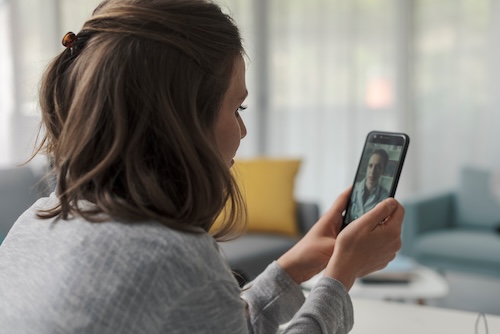
Women facing unexpected pregnancies are increasingly isolated, searching online late at night from their phones. And while abortion providers now offer immediate access 24 hours a day, many pregnancy help centers remain available only during traditional daytime office hours.
This is not a criticism of the movement's dedication. In fact, it's a testament to the commitment of a generation. Yet, it is a recognition that the environment has changed.
The solution is not abandoning the personal ministry model that made pregnancy help centers effective in the first place. In fact, the opposite is true. The movement must expand human connection into the digital space rather than retreat from it.
Technology must become a bridge to immediate ministry, not a replacement for it.
Our movement's strength is at its strongest Monday through Thursday from 10 a.m. to 4 pm. Unfortunately, Big Abortion is now marketing and mailing abortions around the clock. Twenty-four hours a day, seven days a week.
That means meeting women online in the very moment they are searching for answers. It means offering live, meaningful and missional responses during evenings and weekends. It means training teams to engage remotely, respond quickly, and create pathways to immediate care, rather than asking women to "make an appointment for tomorrow."
"Tomorrow might be too late."
The power of the pregnancy help movement is that it possesses something the abortion industry cannot replicate: authentic human love.
Big Abortion increasingly removes people from the process in favor of digital mail-order systems and profit-driven efficiency. But women in crisis do not simply need information. They need someone willing to sit across from them — physically or digitally — and say, "You are not alone."
That remains the movement's greatest strength.
An instructive example comes from Chick-fil-A. When overwhelming drive-thru demand created long lines, the company did not reduce personal interaction. Instead, employees stepped outside to engage customers directly, improving both efficiency and customer satisfaction. Innovation strengthened human connection rather than replacing it.
The pregnancy help movement must embrace the same mindset.
This is not a call to change the mission. It's certainly not asking you to do more than the God-given rescue mission you are already called to. No, the mission remains the same: intervening in moments of crisis – life and death decisions - with truth, compassion, and practical support.
But methods must adapt to the realities of an increasingly digital world.
The future of pregnancy help will be in the power of combining high-tech accessibility with high-touch ministry — centers that understand buildings alone are no longer enough, but that people, compassion, and personal connection remain irreplaceable.
The landscape has changed. Staying the same is not an option.
Learn more about joining the High Risk Response Network